BootNode Blog
We write about blockchain and Web3 development on Ethereum, Canton Network and Stellar. We cover DeFi, subgraphs, decentralization, QA and dApp development tools.
The Khalani chapter: how we wired Khalani into Nexus bridge
We plugged Khalani into Hyperlane’s Nexus bridge so users can bridge supported tokens and chains in one simple flow, with Hyperlane routes as the fallback.
 BootNode
The OIF chapter: a practical, modular path to intent products
The Open Intents Framework packages the essentials (contracts, a solver, and a UI template) so you can assemble an intent product that fits your stack.
BootNode
The Interop Experience: BootNode’s path into Hyperlane via bounties
Sometimes, the fastest way to build a relationship in Web3 isn’t a cold DM or pitch deck, it’s a pull request. We dove into Hyperlane’s public bounty board.
BootNode
Intro to Interop Experience: OIF 1.0, Hyperlane, Khalani, Espresso
BootNode’s work in blockchain interoperability, from Hyperlane bounties to OIF 1.0, Espresso Hackathon, and Khalani integration.
BootNode
Hyperlane Warp Routes Rebalancer
How we built the Hyperlane rebalancer, an agent that moves collateral between chains so Multi-Collateral Warp Routes have liquidity where withdrawals need it.
BootNode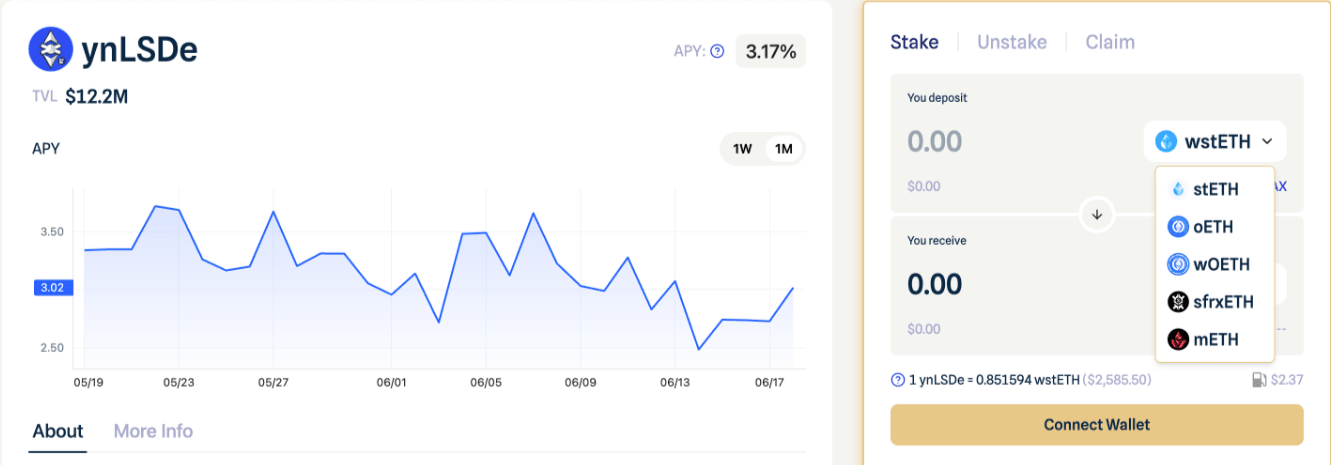
EigenLayer slashing upgrade: Key features and implications for YieldNest
How we helped YieldNest, a Liquid Restaking protocol, to adapt ynETH and ynLSDe smart contracts to ensure secure balances and accurate withdrawals post-upgrade.
 Fernando Zavalía
Get Boosted: Power Up Your dApp Development
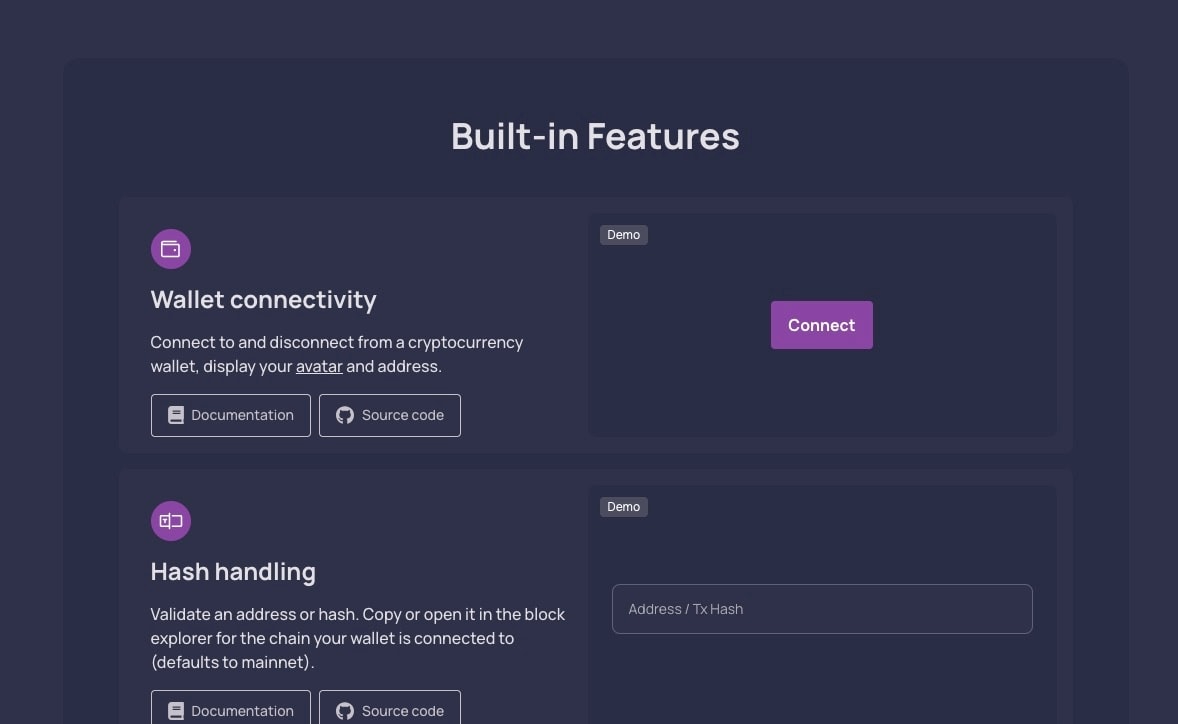
dAppBooster isn’t just another template: it’s a complete dApp development booster pack built on current tools in the ecosystem.
 Gabito
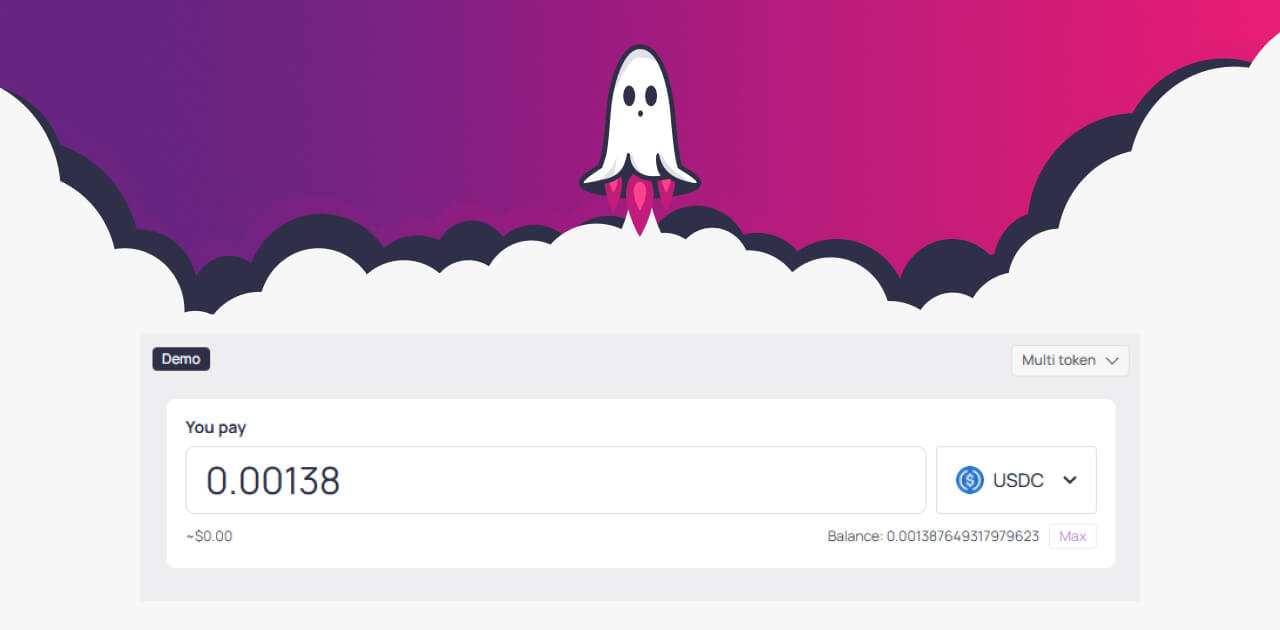
Token Input UX Analysis: A Comprehensive Review and Improvement Suggestions
A UX review of the dAppBooster token input: what works, like auto-detected decimals and balances, and where errors, mobile layout, and accessibility need work.
 Tomás Löffler
Quality assurance in Web3: Setting up for testing
This blog article will guide you through obtaining gas tokens, bridging them across different EVM chains, and creating ERC20 tokens for testing purposes.
 Iñaky Maisterrena